Visiting a sea turtle rehabilitation center is a unique and impactful experience that allows you to witness the incredible work being done to save these endangered creatures. These centers play a crucial role in the conservation of sea turtles, providing medical care and rehabilitation to injured or sick animals before releasing them back into their natural habitat. Not only do these visits raise awareness about the threats facing sea turtles, but they also inspire guests to become advocates for ocean conservation. In this article, we will explore what you can expect during your visit, the importance of these centers, and how you can contribute to their mission.
Contents
The Importance of Sea Turtle Rehabilitation Centers
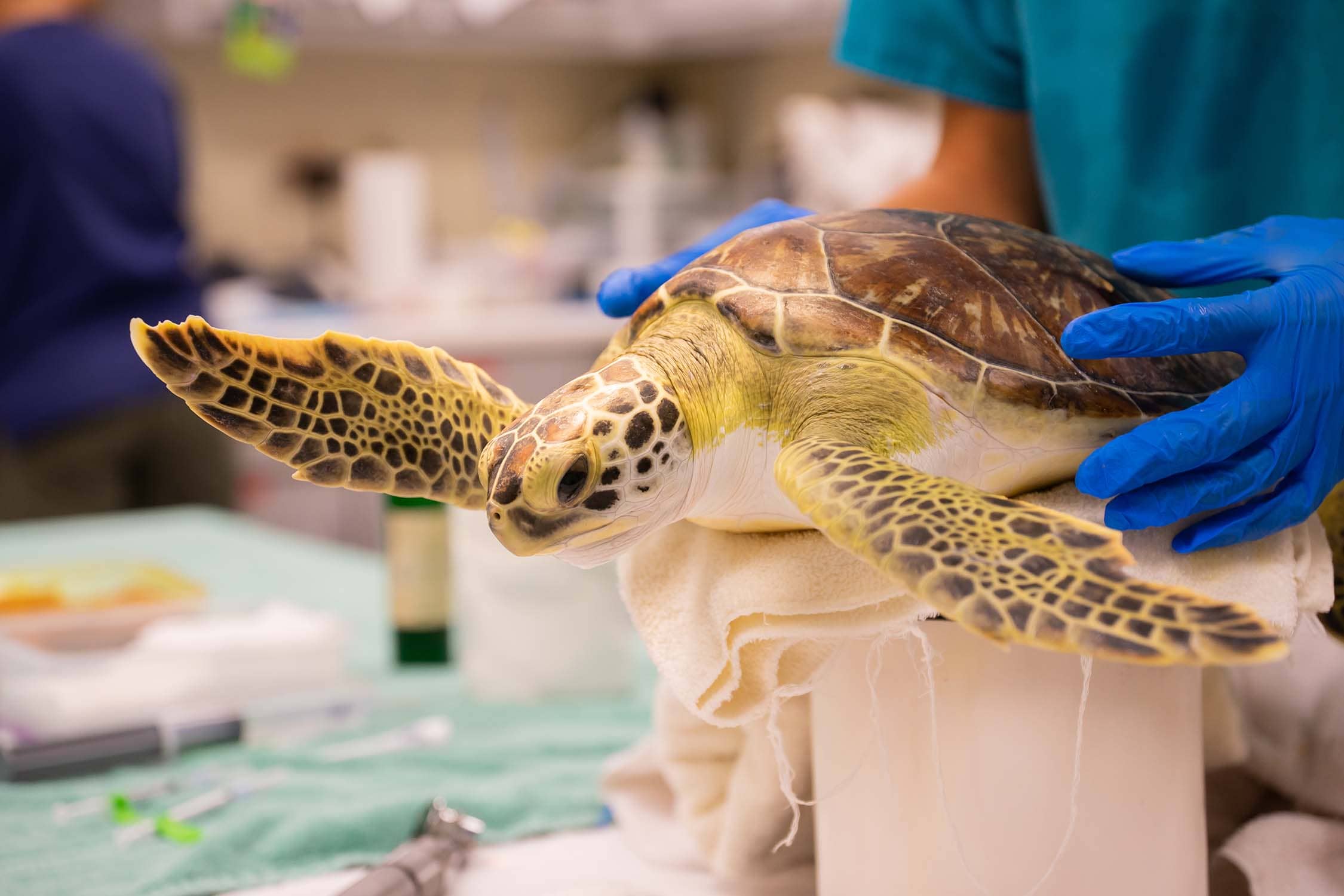
Sea turtle rehabilitation centers are vital not only for the recovery of injured turtles but also for educating the public about the challenges that these animals face. The primary function of these centers is to rehabilitate sea turtles that have suffered from various ailments, often due to human activities. Common issues include plastic ingestion, entanglement in fishing gear, and collisions with boats. The dedicated staff at these facilities provides medical treatment, such as surgery and medication, and offers a safe environment for recovery. Additionally, these centers engage in research and conservation efforts aimed at protecting sea turtles in the wild.
What to Expect During Your Visit
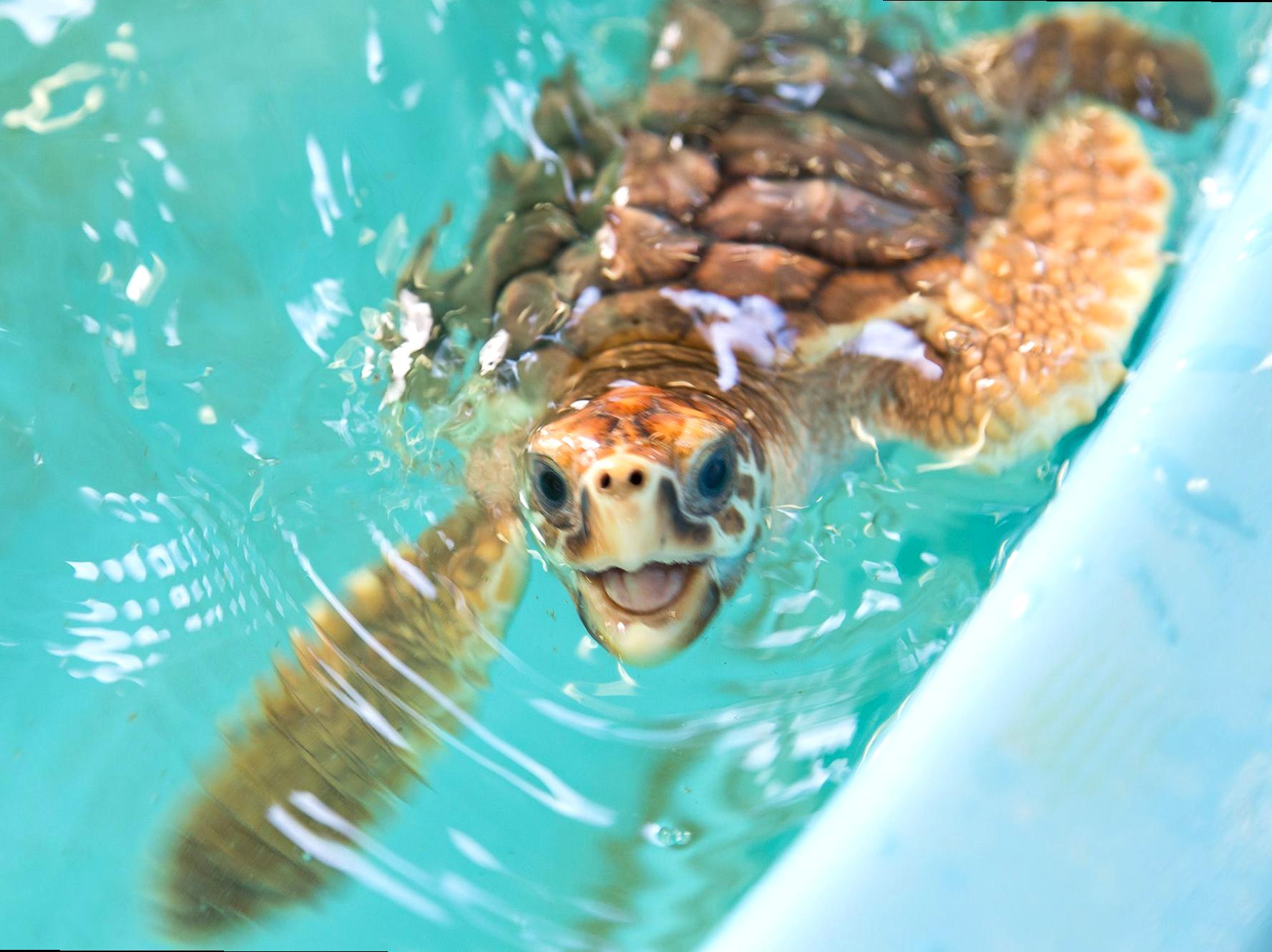
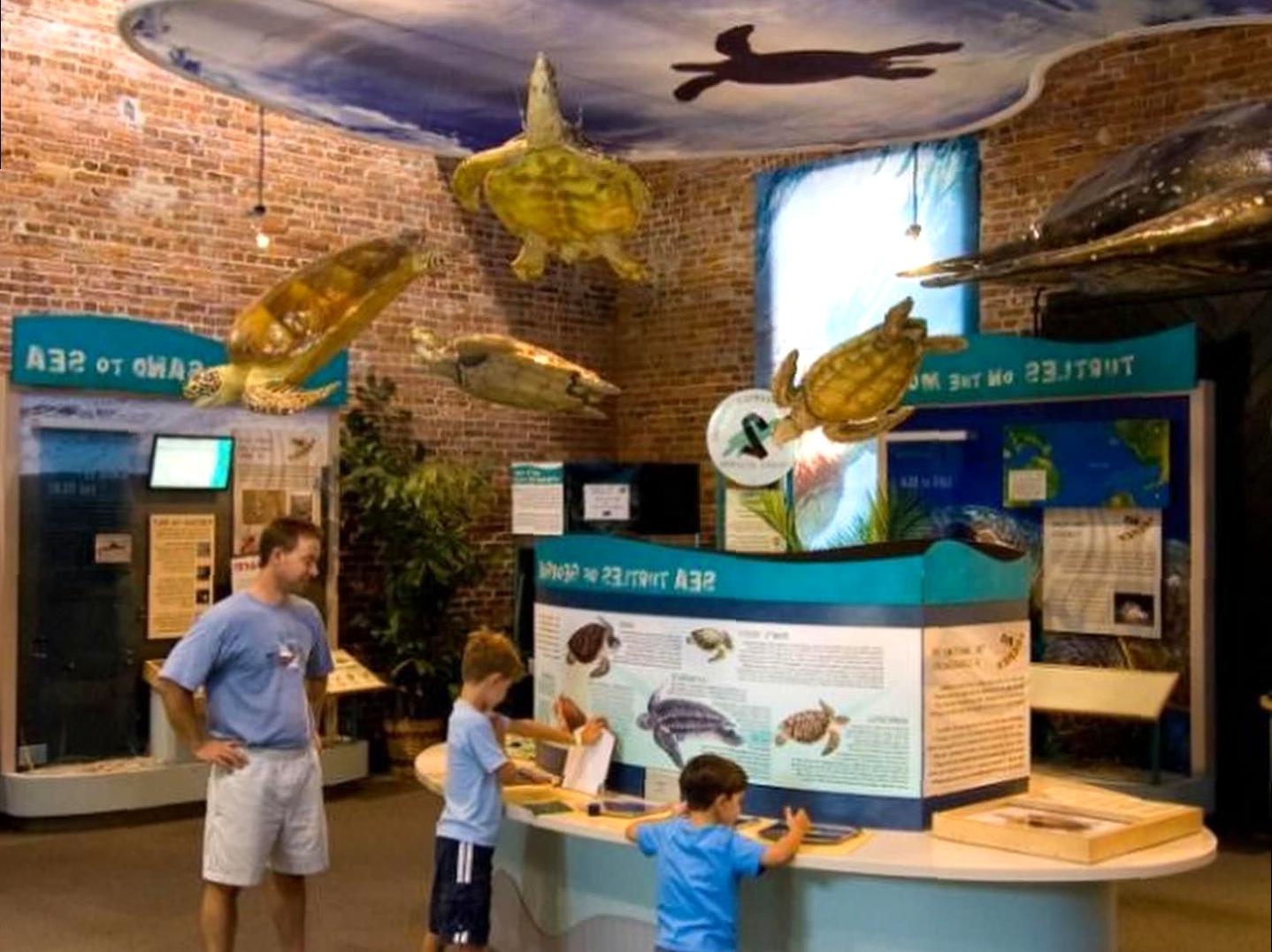
When you visit a sea turtle rehabilitation center, expect a blend of education and inspiration. Most centers offer guided tours led by knowledgeable staff who will share the stories of individual turtles undergoing rehabilitation. These narratives highlight the specific challenges faced by sea turtles and the rehabilitation process they undergo. Interactive exhibits and educational materials often supplement the guided tours, providing visitors with a deeper understanding of sea turtle biology and conservation. You’ll also have the opportunity to observe turtles in their recovery tanks and learn about the importance of the center’s work. Many facilities have gift shops where proceeds directly support their conservation efforts, making your visit even more impactful.
Contributing to Sea Turtle Conservation
Your visit alone can make a difference, but there are several additional ways to contribute to the conservation of sea turtles beyond visiting a rehabilitation center. Here’s a quick list of suggestions:
-
- Volunteer: Many rehabilitation centers offer volunteer programs that allow you to assist with various tasks, from cleaning tanks to educational outreach.
- Adopt a Turtle: Some centers have programs where you can symbolically adopt a sea turtle, providing funding for their care and rehabilitation.
- Spread Awareness: Sharing your experience and information with friends and family can help raise awareness about sea turtle conservation.
- Participate in Beach Clean-Ups: Help protect the turtles’ habitat by participating in local beach clean-up events.
- Support Responsible Fishing: Advocate for and support sustainable fishing practices that minimize harm to sea turtles.
How to Prepare for Your Visit
Preparing for your visit to a sea turtle rehabilitation center can enhance your experience and ensure that you contribute positively to the environment. First and foremost, it’s advisable to check the center’s policies regarding photography, as some facilities may limit this to protect their residents’ privacy. Wear comfortable clothing and shoes, as you may be walking through various exhibits and outdoor areas. Additionally, consider bringing a reusable water bottle and snacks to minimize plastic waste during your visit. Lastly, learning some basic facts about sea turtles before your trip can enrich your understanding and appreciation of these remarkable animals, paving the way for meaningful conversations with the staff during your visit.
Conclusion
Visiting a sea turtle rehabilitation center is more than just an educational experience; it’s an opportunity to actively engage with ongoing conservation efforts. By understanding the work done at these centers and how you can contribute, you become a part of a larger community dedicated to preserving these magnificent creatures and their habitats. Whether through volunteering, adopting a turtle, or simply spreading the word about their plight, every action counts when it comes to ensuring the survival of sea turtles. Remember, each visit and each small effort can lead to significant change—so take the plunge and support these crucial initiatives that protect one of the ocean’s most ancient inhabitants.
FAQs
Sea turtles often face injuries from entanglement in fishing gear, boat collisions, and plastic ingestion, which can lead to severe health issues and make rehabilitation critical.
2. Can I volunteer at a sea turtle rehabilitation center?
Yes, many rehabilitation centers welcome volunteers. Opportunities may range from assisting with animal care to participating in educational programs for visitors.
3. Why are sea turtles considered endangered?
Sea turtles are endangered due to habitat loss, climate change, poaching, Entanglement in fishing gear, and pollution such as plastic waste in the ocean.
4. How can my visit support the rehabilitation center?
Your visit contributes financially through admission fees, purchases in gift shops, and donations, which all help fund the center’s rehabilitation efforts.
5. Are there any age restrictions for visiting a sea turtle rehabilitation center?
Most centers are family-friendly; however, some may have specific age-restrictions for certain activities and programs, so it’s best to check in advance.