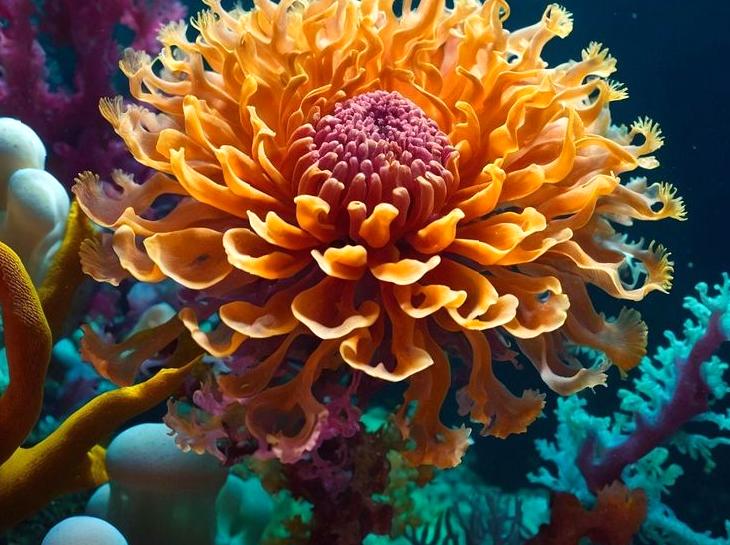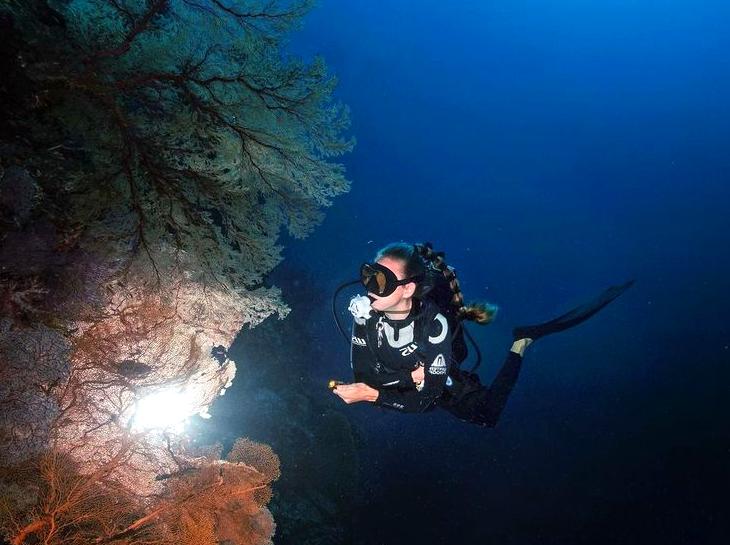
Guided night diving offers an unparalleled opportunity to explore the vibrant and often mysterious underwater world after dark. This unique experience allows divers to witness nocturnal marine life in its natural habitat, showcasing behaviors and sensations not found during daytime dives. With the help of experienced guides, divers can safely navigate through the depths, making the most of this captivating adventure. In this article, we will delve into what guided night diving entails, its benefits, the essential gear required, and some tips for a successful dive under the stars.
Contents
What is Guided Night Diving?
Guided night diving is a specialized form of scuba diving that takes place after sunset, typically in designated dive sites that are known for their rich marine biodiversity. With the assistance of a knowledgeable dive instructor or guide, divers can explore the underwater landscape illuminated by dive lights, revealing a different side of the ocean’s ecosystem. Marine life is often more active at night, showcasing a plethora of behaviors, such as feeding and mating, that are rarely observed during the day. Additionally, the experience combines the thrill of exploration with safety, as guides are well-versed in the local topography and potential hazards. This blend of excitement and security is what makes guided night diving not only fascinating but also accessible to divers of varying skill levels.
The Unique Benefits of Night Diving
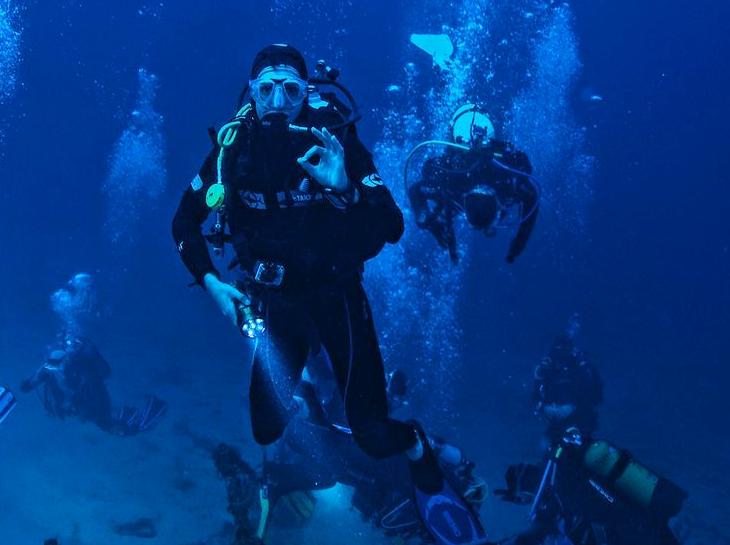
Participating in a guided night dive comes with a multitude of benefits that enhance the diving experience. First, it allows divers to encounter marine life that is predominantly nocturnal, including species such as octopuses, lionfish, and reef sharks, providing a unique insight into the underwater ecosystem. Secondly, the calmness of the ocean at night creates a surreal atmosphere, allowing divers to experience the underwater world without the usual crowds seen during the day. Moreover, night diving significantly enhances one’s awareness of buoyancy and dive control since divers rely more on their lights to navigate rather than visual cues. This can lead to improved diving skills overall. Additionally, the thrill of diving in the dark, illuminated only by the beam of a flashlight, offers an adrenaline boost and sense of adventure that is hard to replicate.
Essential Gear for Night Diving
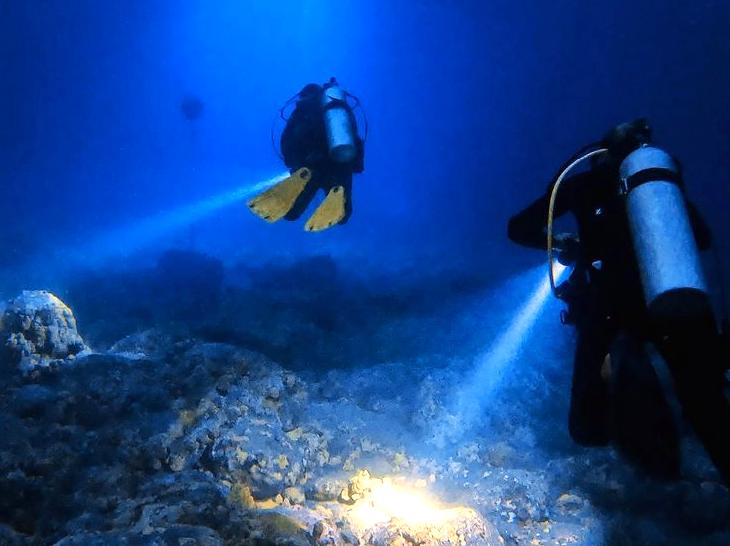
Preparation is key when it comes to guided night diving, and having the right gear is essential for a safe and enjoyable experience. Below is a list of essential equipment you should have:
-
- Dive Light: A reliable underwater flashlight or dive light illuminates the surroundings and enhances visibility.
- Primary and Backup Lights: Always carry more than one light source to prevent being left in darkness if your primary fails.
- Reflective Tape: Attach reflective tape to your gear to increase visibility and make it easier for your dive buddy to locate you.
- Surface Marker Buoy (SMB): An SMB allows you to signal your position at the surface, promoting safety.
- Wetsuit or Drysuit: Depending on the water temperature, proper thermal protection is vital.
Additional accessories like a dive knife, compass, and a camera for capturing underwater memories can also enhance the experience, ensuring you are well-equipped for the adventure.
Tips for a Successful Night Dive

To maximize the enjoyment and safety of your guided night dive, consider these practical tips. First, always attend the pre-dive briefing conducted by your diving guide; this will cover essential information about the dive site, safety procedures, and what marine life you may encounter. Second, practice good buoyancy control to avoid damaging fragile coral reefs or stirring up sediment, which can obscure visibility. Third, engage in buddy communication signals and stay closely paired with your dive buddy to ensure safety and identification throughout the dive. Additionally, remain aware of your surroundings and avoid shining your dive light directly in your companion’s eyes, as this can lead to disorientation. Finally, remember to relax and enjoy the magnitude of your unique adventure under the stars!
Conclusion
Guided night diving is not just a dive; it’s an adventure that expands a diver’s understanding of the ocean’s ecosystem and enhances their diving capabilities. The opportunity to observe nocturnal marine life in its vibrant and complex behavior opens up new avenues of exploration that can be profoundly rewarding. Coupled with expert guidance and the right gear, divers can feel assured of their safety while enjoying the awe-inspiring beauty of the underwater world after dark. So, whether you are a seasoned diver or new to the underwater realm, guided night diving promises to be an unforgettable experience filled with wonder and discovery.
FAQs
Yes, night diving is safe when conducted with experienced guides and proper precautions, including adequate gear and adherence to dive safety protocols.
2. Can beginners participate in guided night dives?
Absolutely! Many dive centers offer guided night dives specifically designed for beginner divers. It’s advised to have basic open water certification before participating.
3. What marine life can I expect to see during a night dive?
During a night dive, you may encounter a variety of marine species, including octopuses, manta rays, and various types of fish that are more active after dark.
4. How should I prepare for a guided night dive?
Preparation involves ensuring you have the necessary gear, familiarizing yourself with dive procedures, and attending briefings with your dive guide. It’s also wise to practice buoyancy control in daylight dives beforehand.
5. What should I do if my dive light fails during a night dive?
If your dive light fails, stay calm, signal your dive buddy for assistance, and use your backup light if available. Remain close to your buddy and follow their light until you can safely ascend.