Seabird sanctuaries offer a unique opportunity to connect with nature and learn about the diverse species that inhabit our planet’s coastlines. These dedicated areas serve as habitats for seabirds, providing refuge from environmental threats while offering visitors a chance to observe these magnificent creatures in their natural settings. In this article, we explore what seabird sanctuaries are, their importance, and how you can prepare for your visit.
Contents
What is a Seabird Sanctuary?
A seabird sanctuary is a protected area designed to conserve seabird populations and their natural habitats. These sanctuaries may include offshore islands, coastal cliffs, and other critical areas where seabirds breed, feed, and rest. They are established to mitigate the threats these birds face, such as habitat destruction, pollution, and human disturbance. A key feature of seabird sanctuaries is that they often implement strict regulations to limit human interference during breeding seasons, ensuring that seabird populations can thrive.
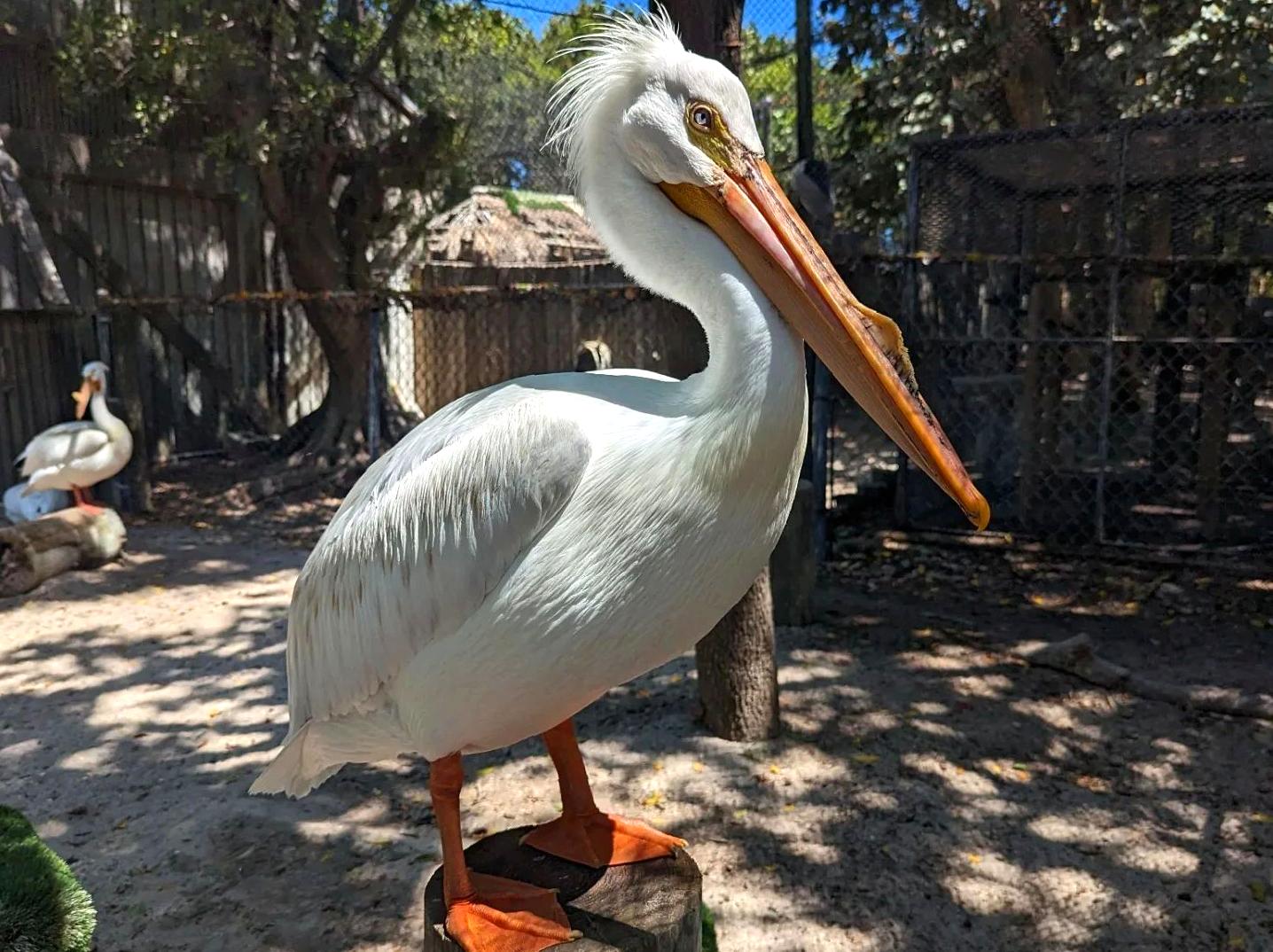
Visitors can enjoy the awe-inspiring sight of seabirds in their daily routines. From pelicans to puffins, seabird species provide an exhilarating viewing experience, and many sanctuaries offer educational opportunities to learn more about their behaviors and ecosystems. The conservation work done at these sanctuaries is vital for their sustainability and plays a role in preserving biodiversity. Additionally, many seabird sanctuaries participate in breeding programs to support endangered species, emphasizing their significance in wildlife conservation.

Exploring the Unique Ecosystems
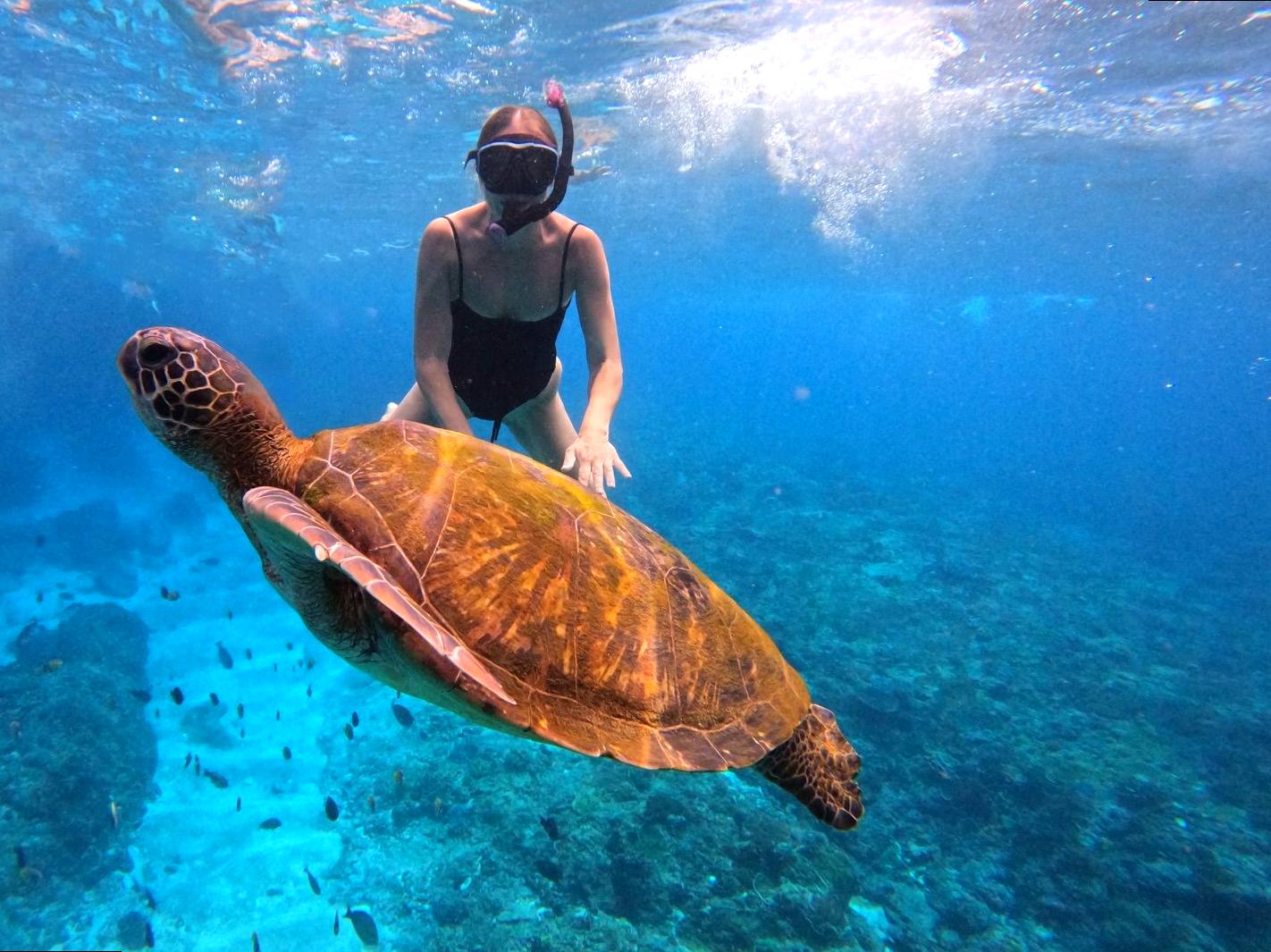
Seabird sanctuaries are often characterized by unique ecosystems that thrive due to the presence of seabirds. When you visit, you will encounter dynamic coastal landscapes featuring rocky cliffs, sandy beaches, and lush vegetation that supports the various species. These environments are not only home to seabirds but also serve as habitats for other wildlife, such as sea turtles, seals, and a variety of marine life. The nutrient cycles created by seabirds, through their feeding habits and nesting behaviors, contribute to the health of these ecosystems.
Exploring these sanctuaries, you may notice a blend of terrestrial and marine ecosystems, showcasing how interdependent life can be. Observing seabirds dive for fish or swoop gracefully over the water creates an unforgettable experience, reminding us of the importance of ecological balance. Some popular seabird sanctuaries even provide guided tours and educational talks, enriching your understanding of these ecosystems and their inhabitants.
Preparing for Your Visit
Visiting a seabird sanctuary requires preparation to ensure a safe and enjoyable experience. Consider the following tips when planning your trip:
-
- Research the Sanctuary: Understand the specific rules and regulations for the sanctuary you plan to visit, including any seasonal closures or access restrictions.
- Pack Accordingly: Bring binoculars for bird watching, a camera for capturing moments, and appropriate clothing for coastal weather conditions.
- Be Respectful: Follow designated paths, maintain a safe distance from nesting sites, and adhere to all guidelines to minimize your impact on wildlife.
- Educate Yourself: Familiarize yourself with the seabird species you may encounter to make your visit informative and engaging.
- Plan Your Timing: Make sure to visit during peak bird watching times, often dawn or dusk, for the best chances of seeing seabirds in action.
Wildlife Spotting: What to Expect

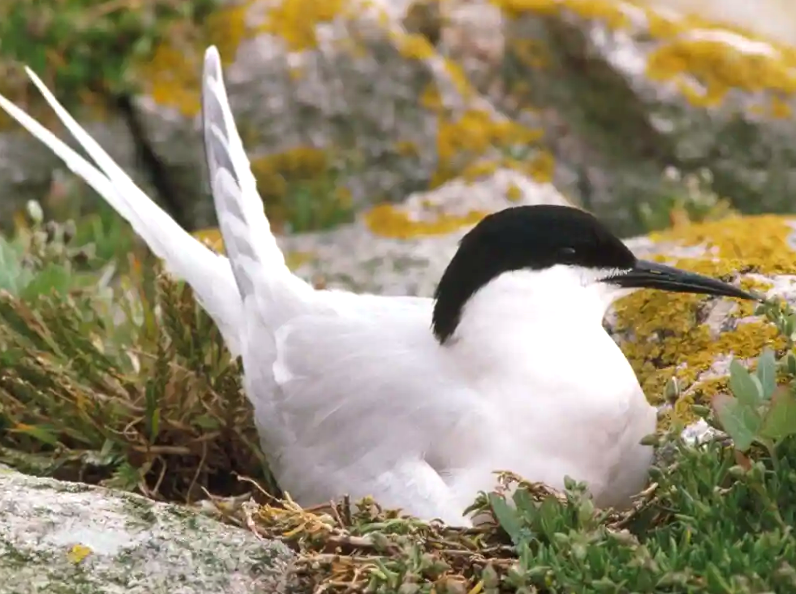
During your visit, you can expect to see a variety of wildlife, not just seabirds. Common seabird species include gulls, cormorants, and terns. Depending on the location of the sanctuary, you might also spot more unique species, such as albatrosses or puffins. Besides seabirds, keep an eye out for marine mammals like seals or sea lions that often bask on the rocks or swim in the surrounding waters.
The excitement of wildlife spotting can be addictive, inspiring a greater appreciation for nature and urging conservation efforts. Many visitors leave the sanctuary with a newfound resolve to help protect these fragile ecosystems and educate others about their importance. Engaging in wildlife watching is not only an enjoyable pastime but also crucial in fostering a sustainable future for our planet’s diverse environments.
Conclusion
Visiting a seabird sanctuary is a rewarding experience that combines adventure with education. These sanctuaries play a vital role in preserving seabird populations and their habitats, offering a unique glimpse into the complex relationships that exist within coastal ecosystems. Whether you’re a bird enthusiast or simply looking for a beautiful outdoor experience, seabird sanctuaries provide an opportunity to engage with nature meaningfully. With proper preparation and respect for the environment, your visit can leave a lasting impact not only on you but also on the wildlife that calls these sanctuaries home.
FAQs
The best time to visit is typically during the breeding season, which varies by location but often falls between late spring and early summer. This is when seabirds are most active and visible.
2. Can I bring my dog to a seabird sanctuary?
Most seabird sanctuaries have strict leash and animal policies to protect wildlife. It’s advisable to check with the specific sanctuary’s regulations before bringing your pet.
3. Are there guided tours available at seabird sanctuaries?
Yes, many seabird sanctuaries offer guided tours and educational programs that enhance your understanding of the location’s wildlife and ecosystems.
4. How can I contribute to seabird conservation?
You can contribute by volunteering, participating in local clean-up events, or donating to organizations that focus on seabird conservation efforts.
5. What is the significance of seabirds in ecosystems?
Seabirds play a crucial role in coastal ecosystems by contributing to nutrient cycling, acting as indicators of ocean health, and supporting biodiversity.