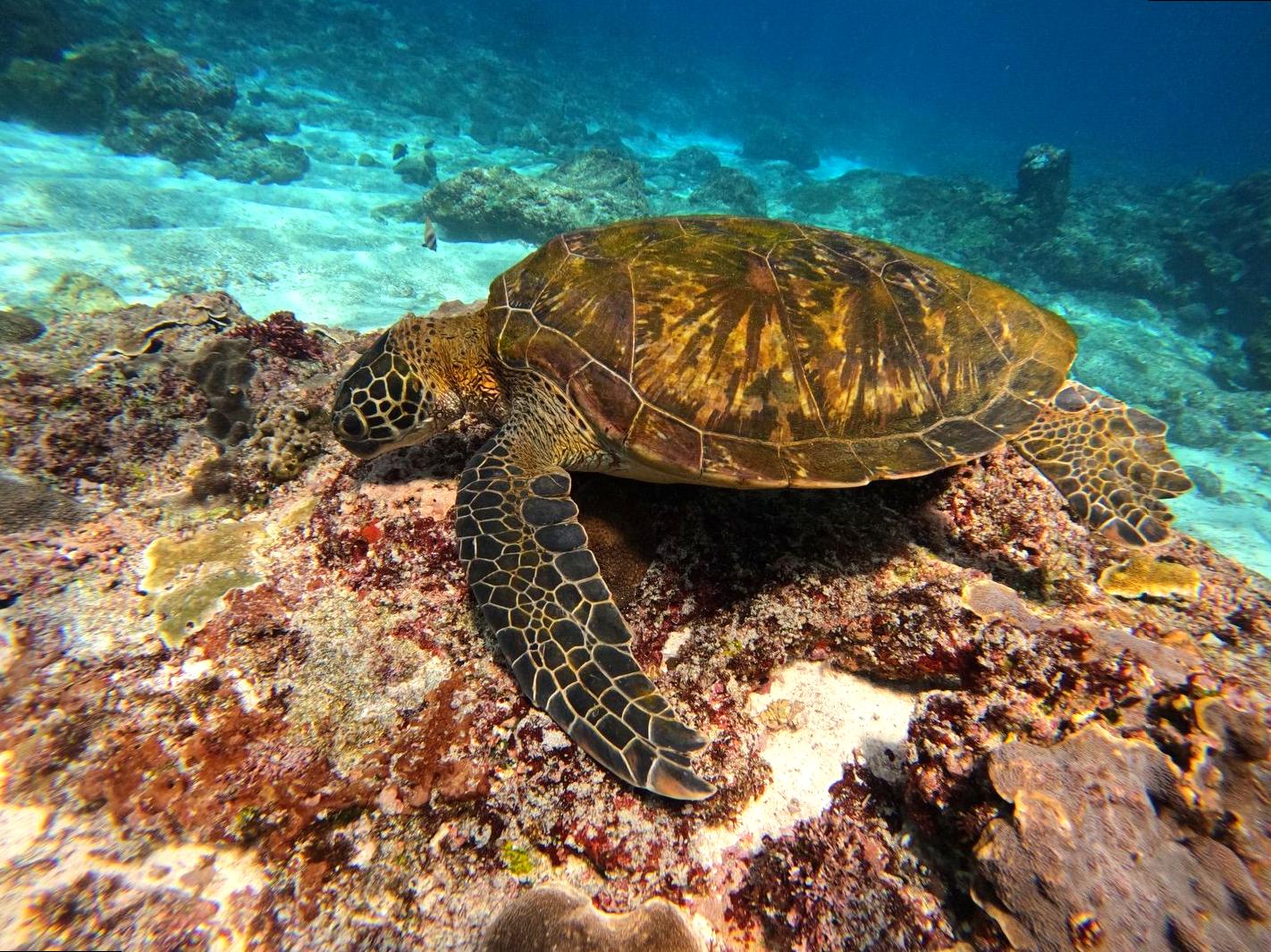
An underwater photography course can significantly enhance your skills, enabling you to capture stunning images beneath the surface. These courses provide both theoretical knowledge and practical experience, helping you understand the nuances of underwater environments. Whether a beginner or an experienced photographer looking to sharpen your skills, these courses offer invaluable insights and techniques tailored specifically for photographing aquatic life. By enrolling in such courses, you can transform your approach from novice to expert in a matter of weeks. Let’s explore the multifaceted advantages of participating in an underwater photography course.
Contents
The Fundamentals of Underwater Photography
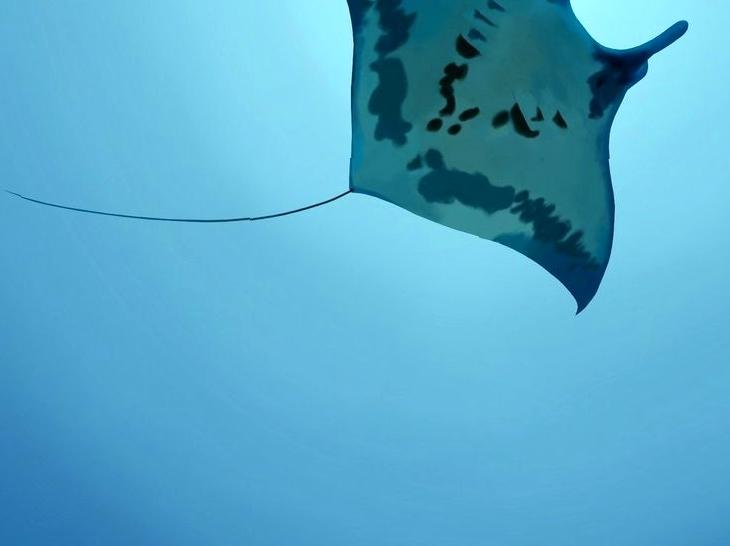
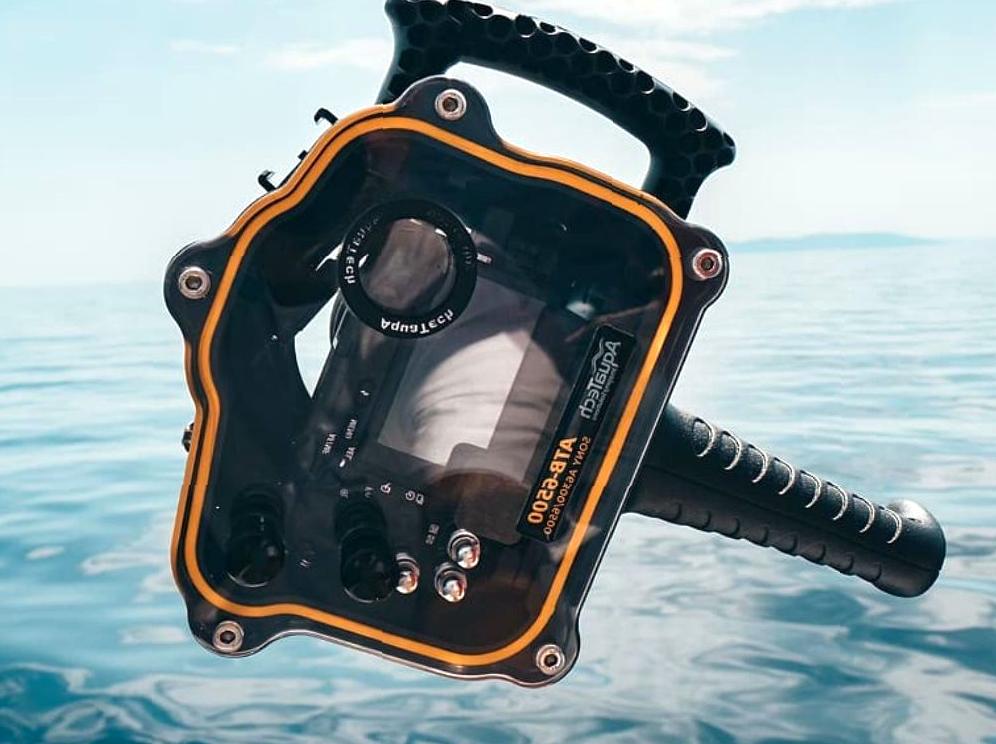
Undertaking an underwater photography course starts with grasping fundamental concepts specific to this unique environment. First, students delve into the essential equipment, learning about the types of cameras, underwater housings, and accessories necessary for successful underwater photography. Understanding how these tools function underwater, including factors like buoyancy and light absorption, is crucial for high-quality captures. Beyond equipment, students also explore necessary skills such as buoyancy control and fin techniques, which are vital for maneuvering without disturbing the marine environment. Moreover, participants receive guidance on safety protocols and environmental protection guidelines. This foundational knowledge sets the stage for capturing breathtaking underwater images.
Advanced Techniques and Composition
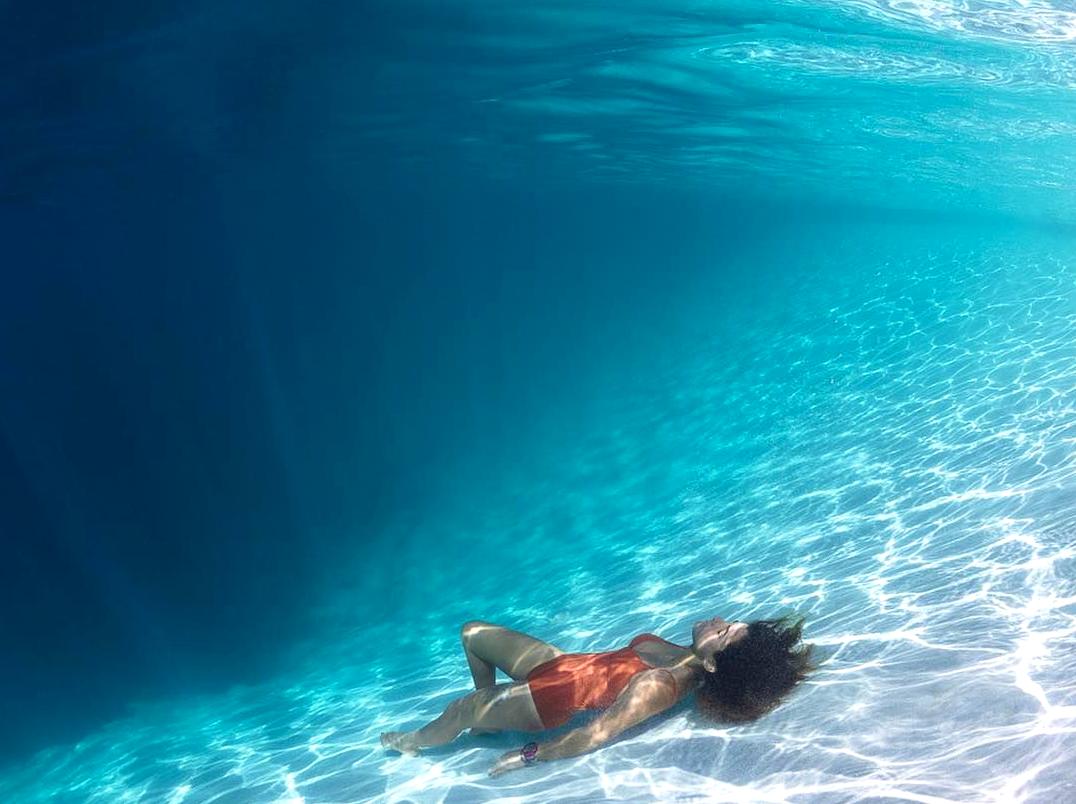
Once the basics are mastered, an underwater photography course dives into advanced techniques and composition strategies. Participants learn about the interaction of light and water, enabling them to manipulate natural light effectively for clear and vibrant images. Depth, angles, and framing become focal points in this section of the course, as students practice shooting from various perspectives to create captivating underwater narratives. Additionally, photographers are taught about color correction and white balance adjustment, crucial for enhancing the mood and feel of underwater shots. This segment emphasizes creativity, encouraging participants to bring their unique artistic style into their photography. Through hands-on exercises, students can experiment with different composition techniques and receive constructive feedback from instructors and peers.
The Importance of Marine Etiquette and Conservation
A critical component of any underwater photography course is the emphasis on marine etiquette and conservation. Aspiring photographers must understand their role in preserving the underwater ecosystem, learning about the potential impacts of their presence on marine life. This section highlights best practices to minimize disturbance, such as maintaining a safe distance from wildlife and avoiding touching coral reefs. Furthermore, the course often includes discussions on ethical photography, focusing on capturing images that raise awareness about marine conservation. By fostering a sense of responsibility towards marine environments, photographers can use their skills to advocate for ocean health. This not only enhances their work but also contributes positively to the broader community with conservation-focused initiatives.
Networking and Community Building
Joining an underwater photography course opens doors to a vibrant community of like-minded individuals passionate about marine life and photography. Participants gain access to networking opportunities, allowing them to connect with professional photographers, marine biologists, and fellow enthusiasts. Sharing experiences, techniques, and knowledge fosters a spirit of collaboration and inspires creativity among peers. Additionally, many courses organize group outings and dives, enabling participants to practice their skills in diverse underwater environments. These excursions not only enhance learning but also enable lifelong friendships and professional relationships to flourish. Ultimately, being part of such a community enriches the overall learning experience and helps photographers grow in their craft.
Conclusion
In conclusion, enrolling in an underwater photography course can profoundly enhance your skills and passion for capturing the mesmerizing world beneath the waves. With a focus on both technical knowledge and creative expression, these courses guide participants through the intricacies of underwater photography. By learning the fundamentals, advanced techniques, and the importance of marine conservation, students can emerge as proficient underwater photographers ready to make a significant impact in both art and conservation. Embrace this opportunity to elevate your photography and contribute positively to the underwater world.
FAQs
Most underwater photography courses range from a few days to several weeks, depending on the curriculum and depth of study.
2. Do I need to have prior photography experience to join the course?
No, many courses cater to beginners and provide thorough training, making them accessible to individuals with varied skill levels.
3. What type of equipment will I need for the course?
While specific equipment varies by course, generally, you’ll need a camera, underwater housing, and basic diving gear. The course may provide some gear options as well.
4. Are the courses held in a specific location?
Courses may take place in various locations, including pools, lakes, or ocean dives, depending on the course provider and curriculum.
5. Can I pursue underwater photography as a career after completing the course?
Yes, many photographers find careers in marine conservation, travel photography, and wildlife documentation post-course completion, leveraging their newly acquired skills.